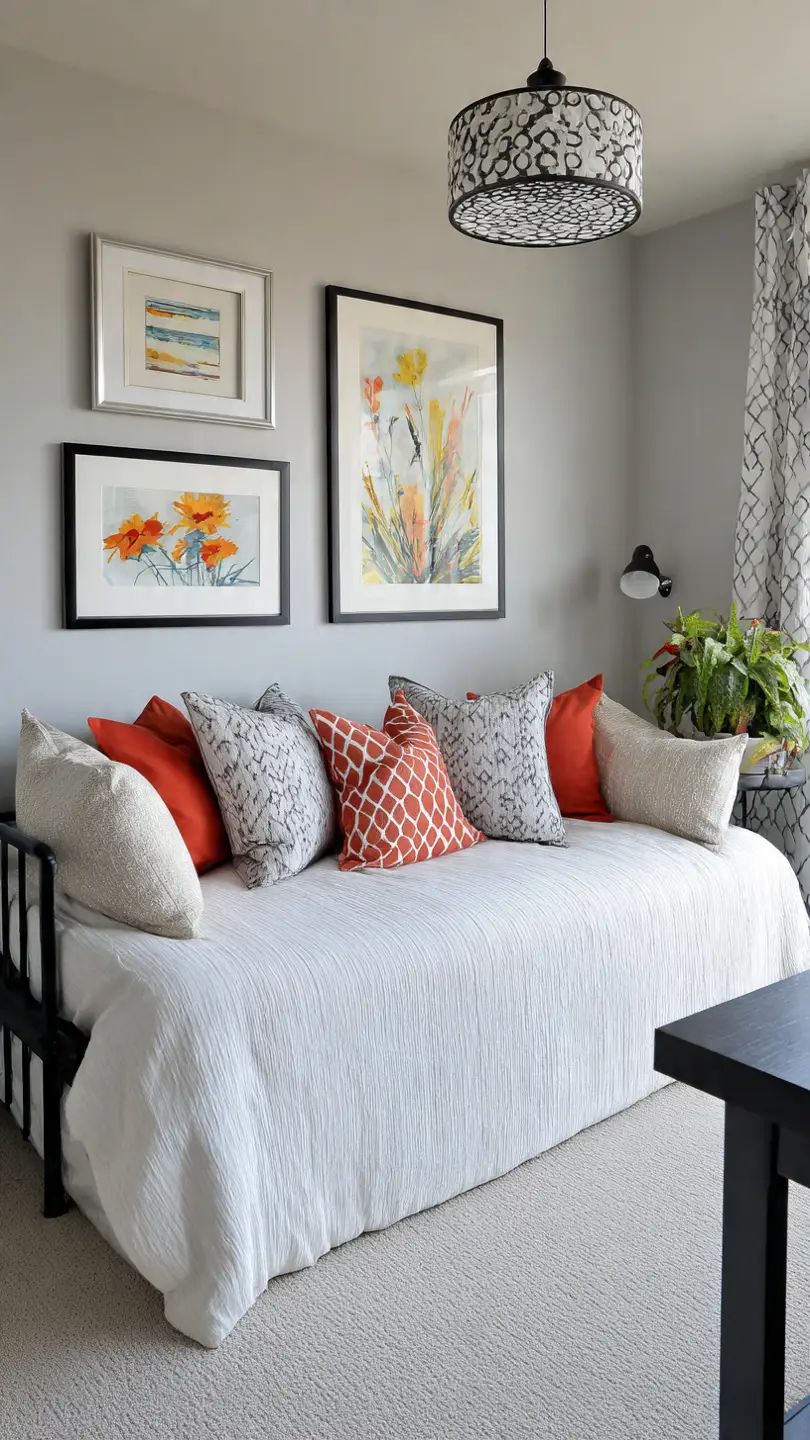
Having a small bedroom doesn’t mean settling for a space that feels cramped, cluttered, or uninspiring. In fact, some of the most beautifully designed bedrooms in the world are compact ones — because limitations have a funny way of pushing creativity.
Whether you’re working with a studio apartment, a starter home, or a college dorm, these bedroom ideas for small rooms will help you maximize every square foot without sacrificing style.
1. Choose a Bed with Built-In Storage
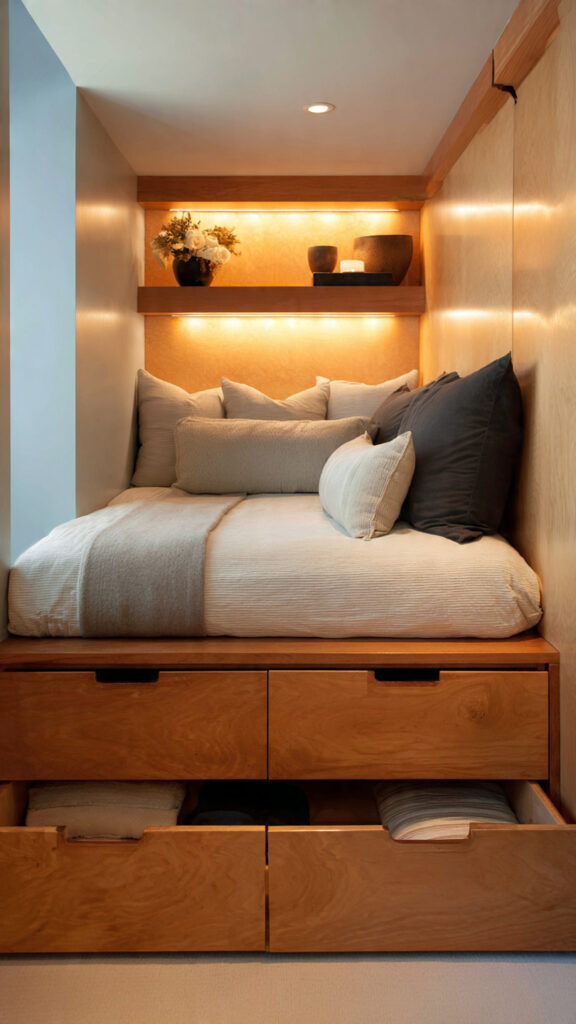
In a small bedroom, your bed should work overtime. Opt for a bed frame with built-in drawers underneath or a hydraulic lift storage bed that opens up to reveal a massive hidden compartment. This single swap can eliminate the need for a dresser entirely, freeing up precious floor space for other things — or just breathing room.
2. Mount Your Nightstands on the Wall
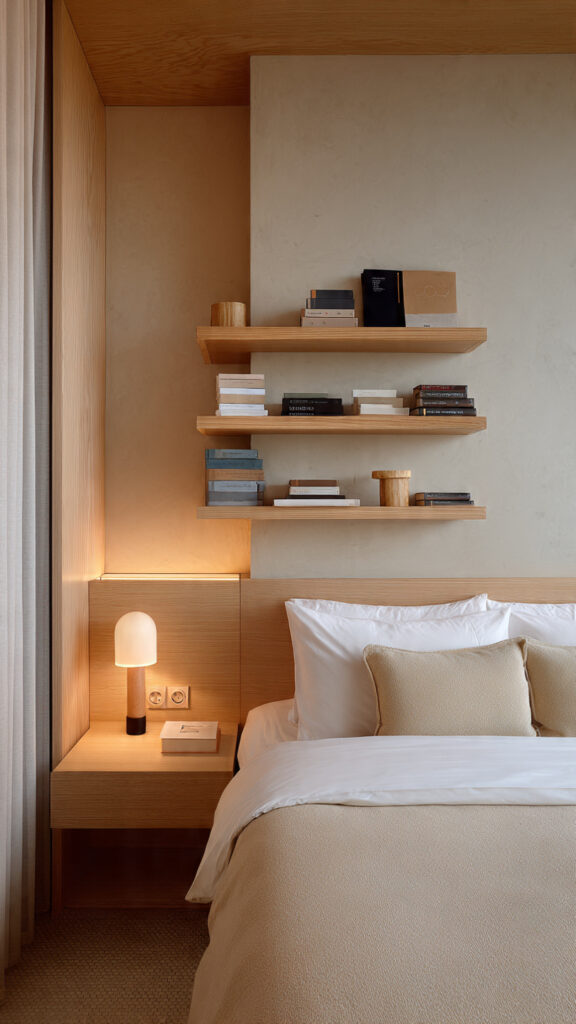
Floor space is prime real estate in a small room. Instead of traditional nightstands that sit on the floor, install floating wall-mounted shelves on either side of the bed. They serve the same purpose — a spot for your lamp, phone, and book — without taking up a single inch of floor space.
3. Use Mirrors to Visually Double the Space
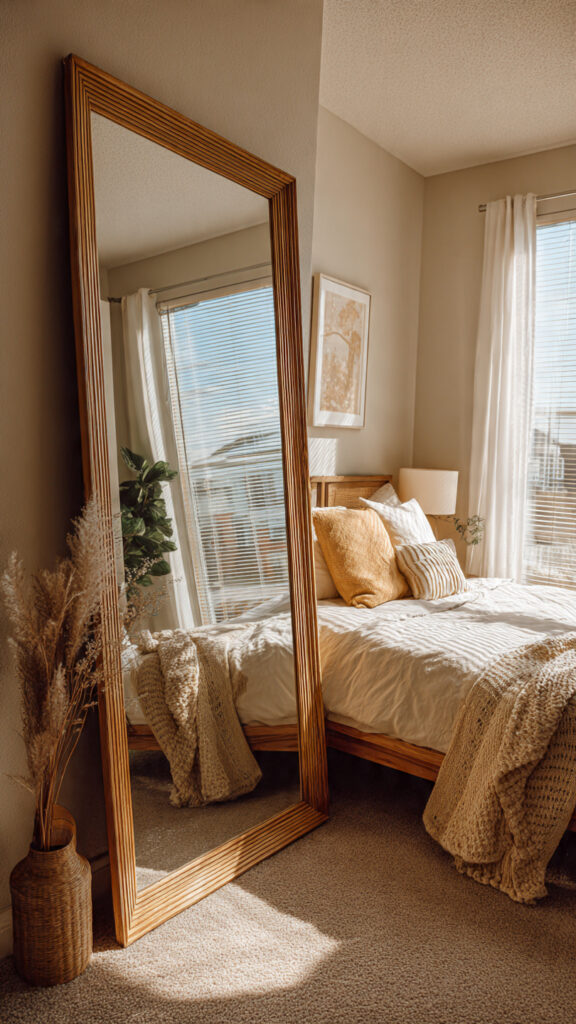
Mirrors are the oldest trick in the small room playbook — and they work every single time. A large floor-length mirror or a mirrored wardrobe door reflects light and creates the illusion of depth, making your room feel significantly larger than it actually is. Lean one against the wall for an effortless, styled look.
4. Go Vertical with Tall Shelving Units
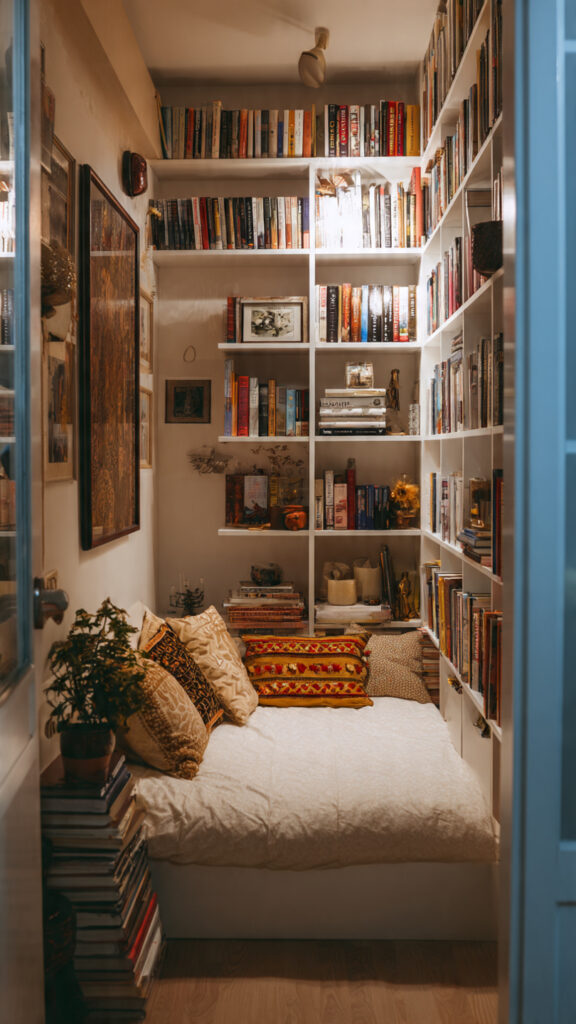
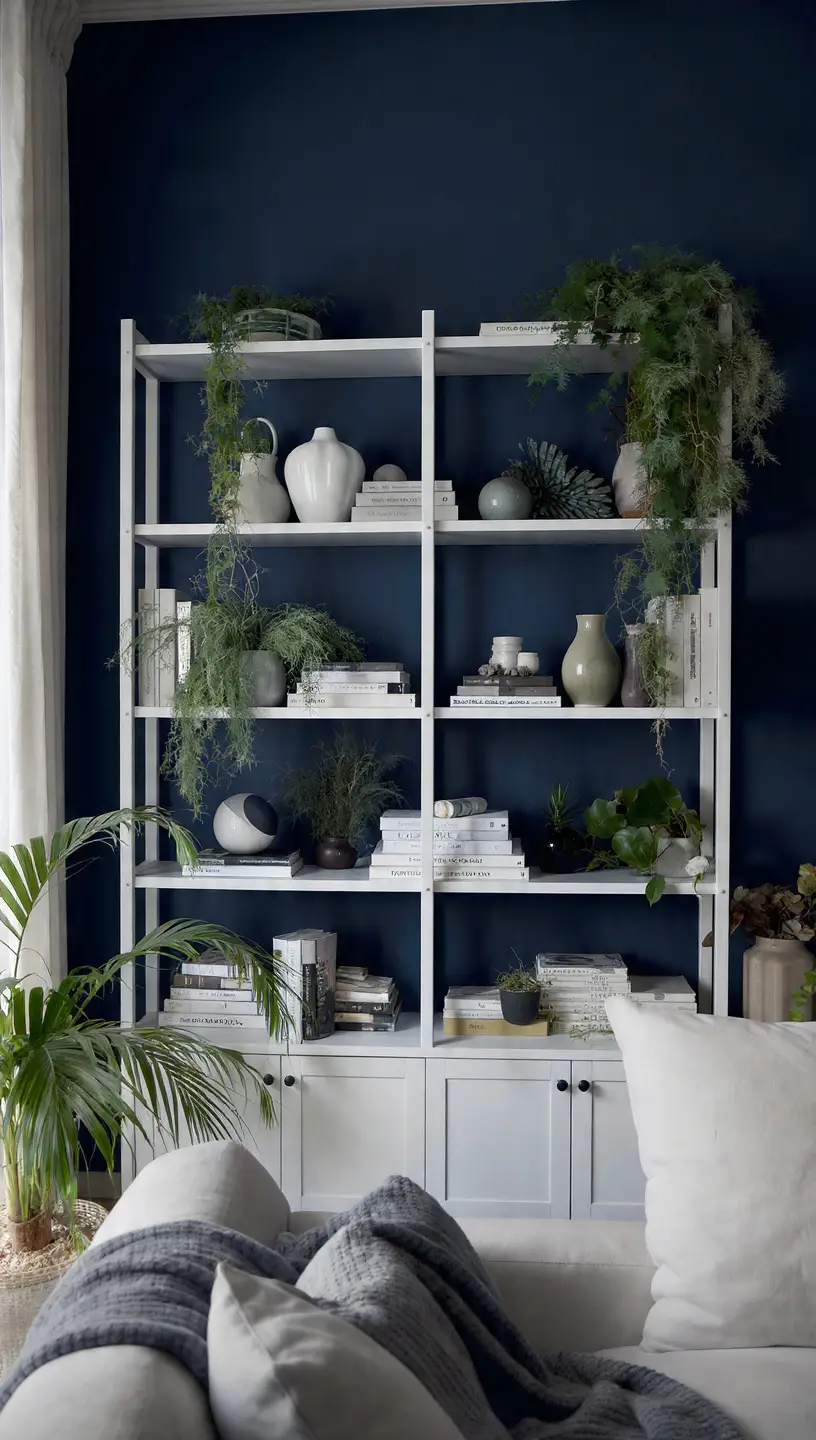
When floor space is limited, go up. Tall, slim bookshelves that reach close to the ceiling draw the eye upward and add significant storage without expanding your footprint. Use the lower shelves for frequently accessed items and the upper shelves for decor, books, or seasonal storage.
5. Stick to a Light and Airy Color Palette
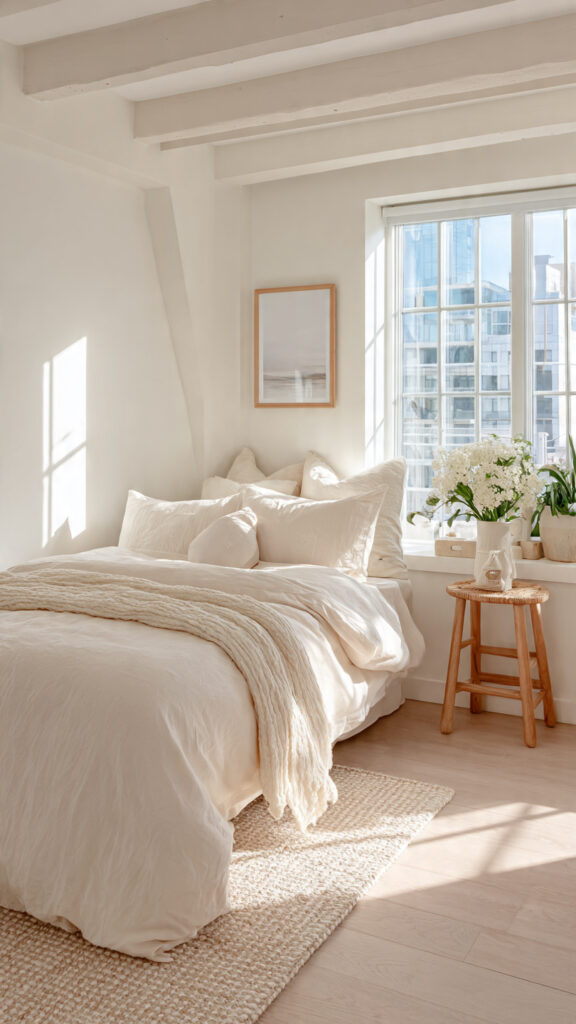
Dark colors absorb light and make rooms feel smaller — light colors do the opposite. Whites, creams, soft grays, and pale pastels reflect natural light and open up the space visually. Paint not just the walls but also the ceiling in a similar light tone to make the room feel taller and more expansive.
6. Ditch the Bulky Dresser for a Slim Wardrobe
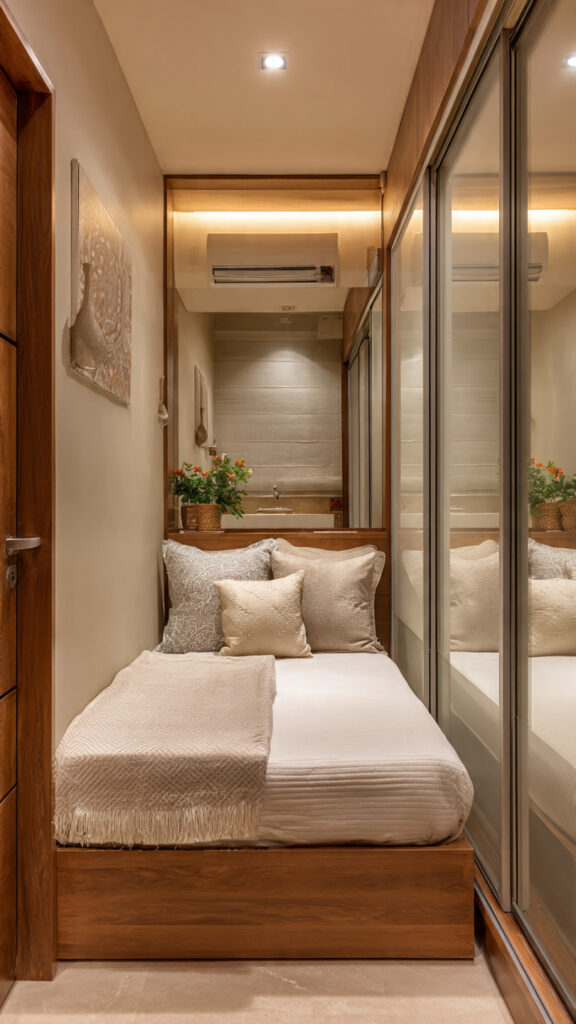
A traditional chunky dresser can eat up a huge portion of a small room. Replace it with a slim, tall wardrobe or a built-in closet system with sliding doors. Sliding doors alone are a game changer — they don’t require swing space, which can save up to three feet of clearance in a tight room.
7. Hang Curtains High and Wide for the Illusion of Height
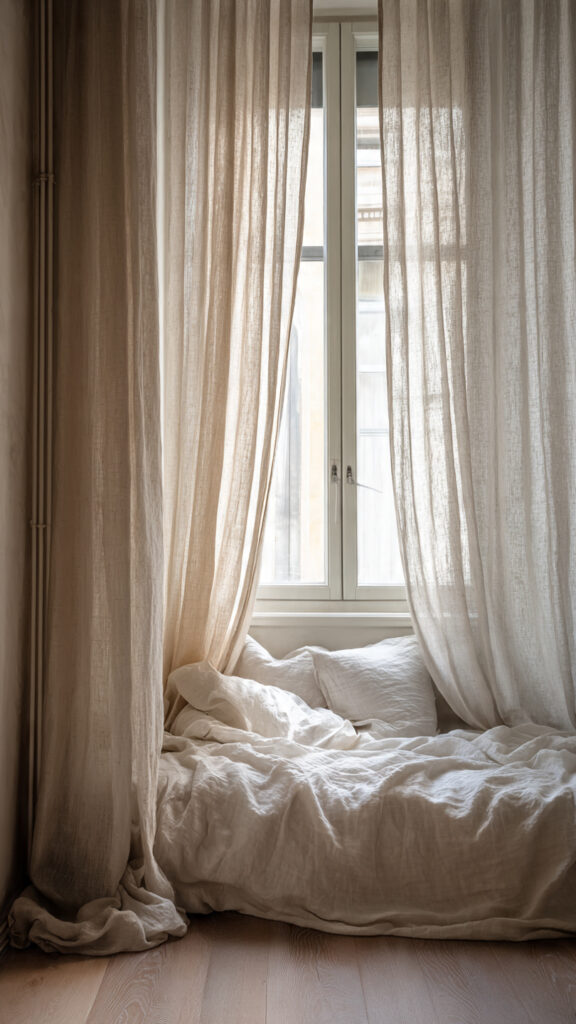
Even in a small room, floor-to-ceiling curtains make a dramatic visual difference. Hang the curtain rod as close to the ceiling as possible and let the curtains pool slightly on the floor. It draws the eye upward, making the ceiling feel higher and the room feel grander than its actual square footage.
8. Try a Murphy Bed or Wall Bed
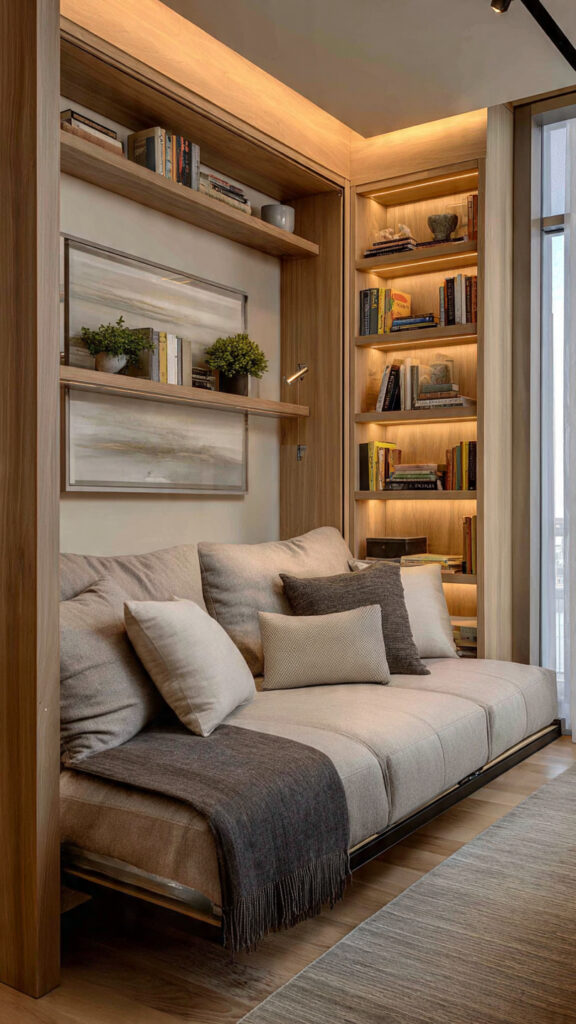
If your small room needs to double as a home office, guest room, or living space, a Murphy bed is genuinely life-changing. Modern Murphy beds fold up into a stylish wall unit and look nothing like the clunky versions from old TV shows. Many come with integrated shelving and desks that flip out alongside the bed.
9. Use Under-Bed Space Aggressively
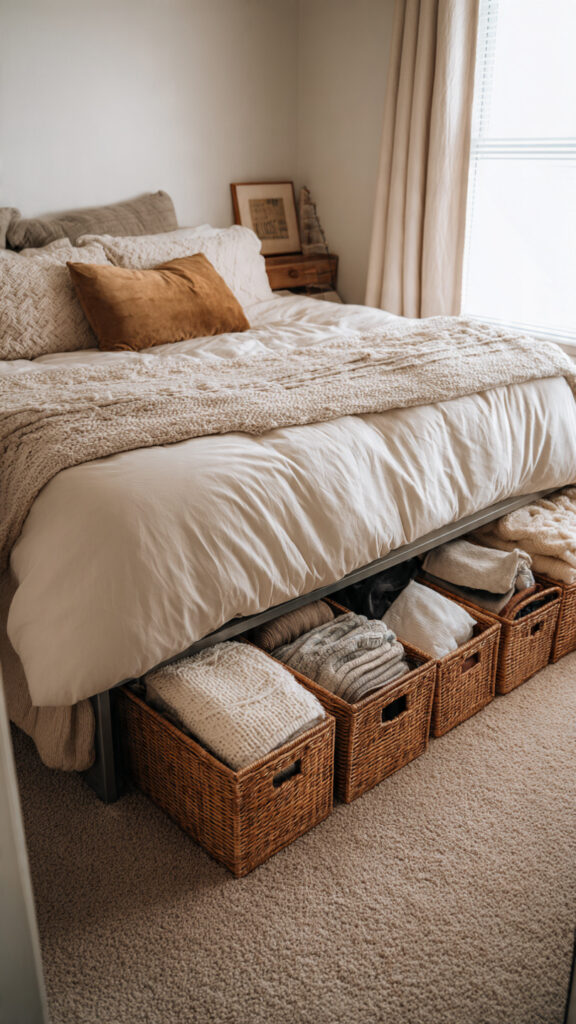
The space under your bed is essentially free storage. Use flat rolling bins for off-season clothes, spare bedding, or shoes. If your bed frame doesn’t have built-in storage, buy a set of bed risers to create more clearance. Vacuum storage bags are also perfect for compressing bulky items like duvets and blankets.
10. Choose Furniture with Exposed Legs
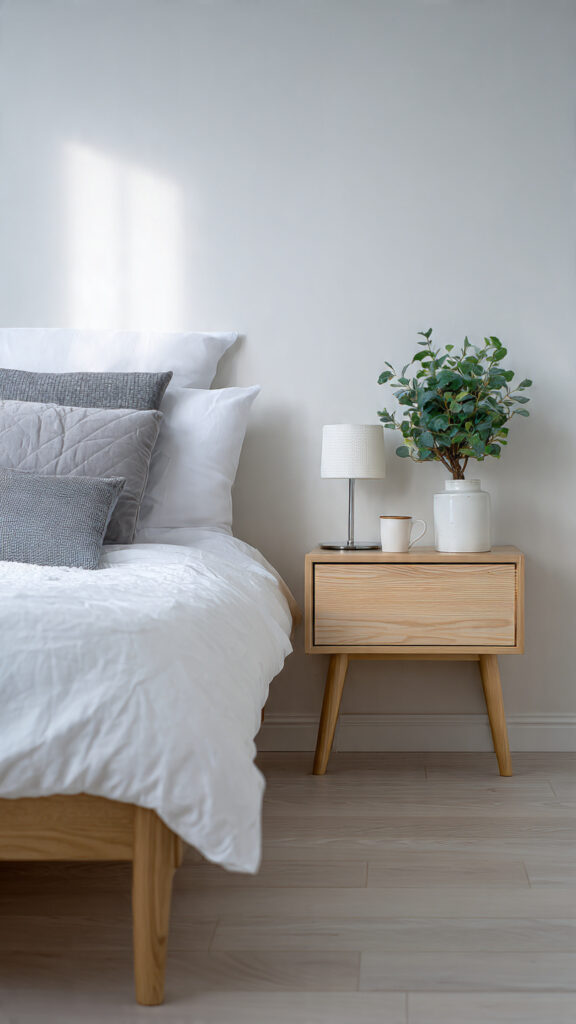
Furniture that sits directly on the floor makes a room feel heavier and more closed off. Pieces with visible legs — beds, nightstands, chairs — allow light to flow underneath, creating a sense of openness and visual breathing room. It’s a subtle difference that adds up across the whole room.
11. Embrace Minimalism and Edit Ruthlessly
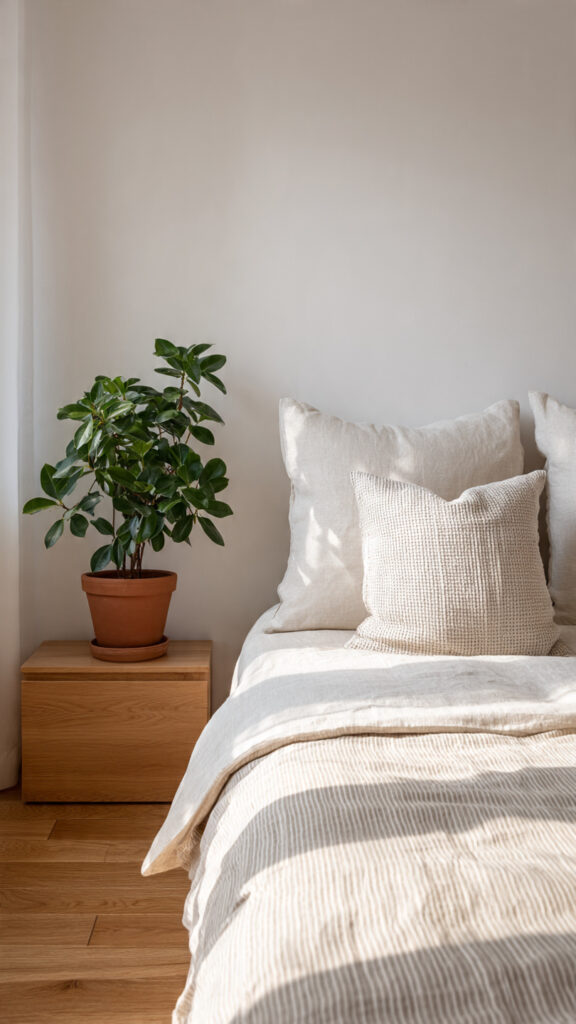
Small rooms punish clutter faster than any other space. The decor philosophy here should be: if it doesn’t serve a purpose or bring genuine joy, it doesn’t earn floor space. Keep surfaces clean, limit decorative objects to a meaningful few, and resist the urge to fill every wall. Empty space in a small room isn’t wasted — it’s essential.
12. Install Recessed Shelving in the Walls
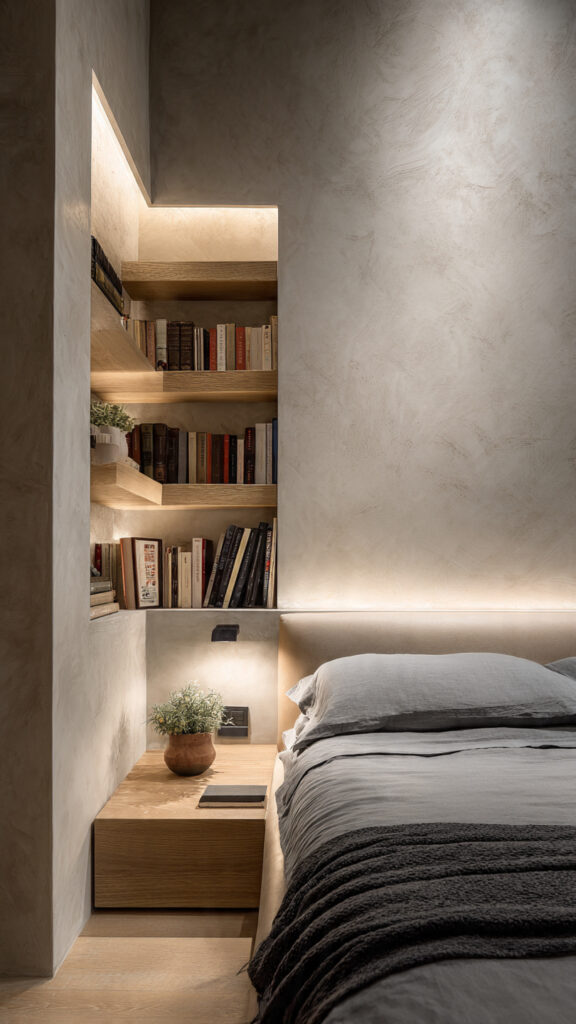
If you’re open to a bit of construction, recessed shelving built directly into the wall takes up zero floor space and zero wall projection. It’s perfect for books, small decor, or a reading nook. Even shallow niches of four to six inches can hold a surprising amount while keeping the room feeling open.
13. Use a Daybed or Trundle Bed
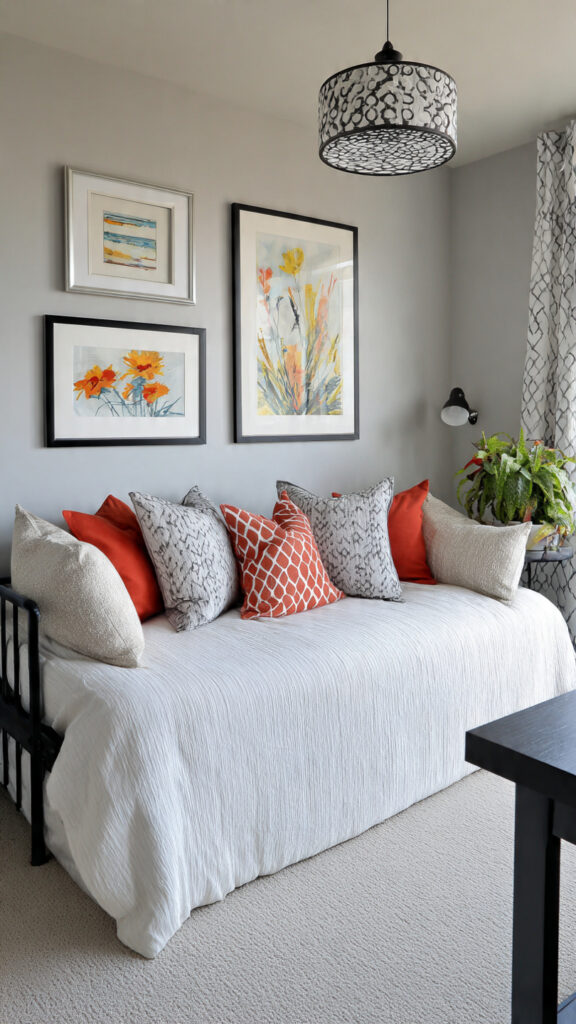
A daybed works brilliantly in a small bedroom that needs to be multifunctional. During the day it looks like a sofa; at night it’s a proper bed. If you occasionally need a second sleeping spot, a trundle version slides out from underneath. It’s one of the smartest single-furniture investments for a small room.
14. Add a Pegboard or Wall Organizer
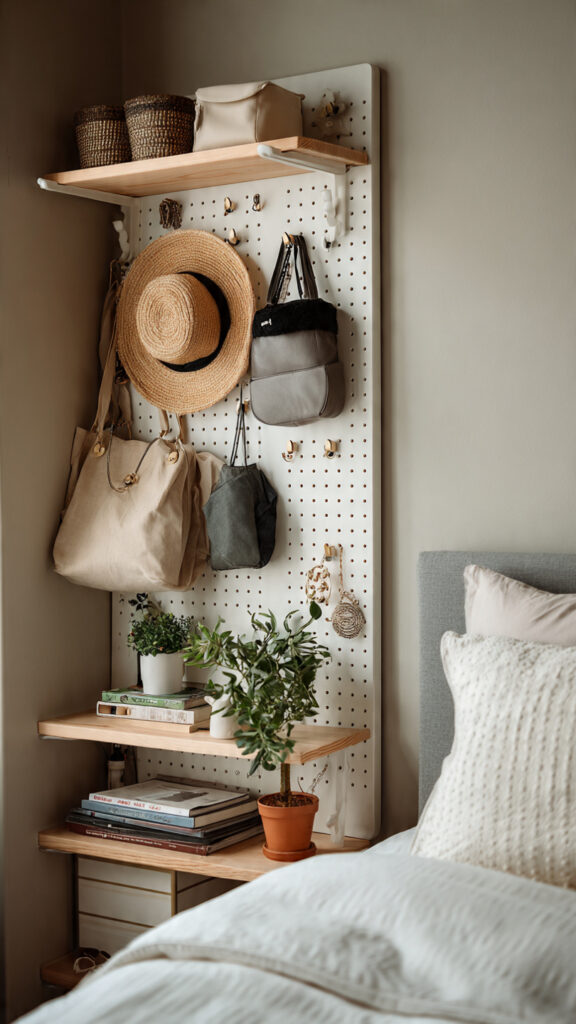
A pegboard on one wall can replace multiple pieces of furniture in a small bedroom. Hang accessories, bags, hats, jewelry, and small items on hooks and shelves that clip into the board. It keeps things off the floor and surfaces, looks intentionally designed, and can be completely customized to your needs.
15. Pick a Compact Desk That Doubles as a Nightstand
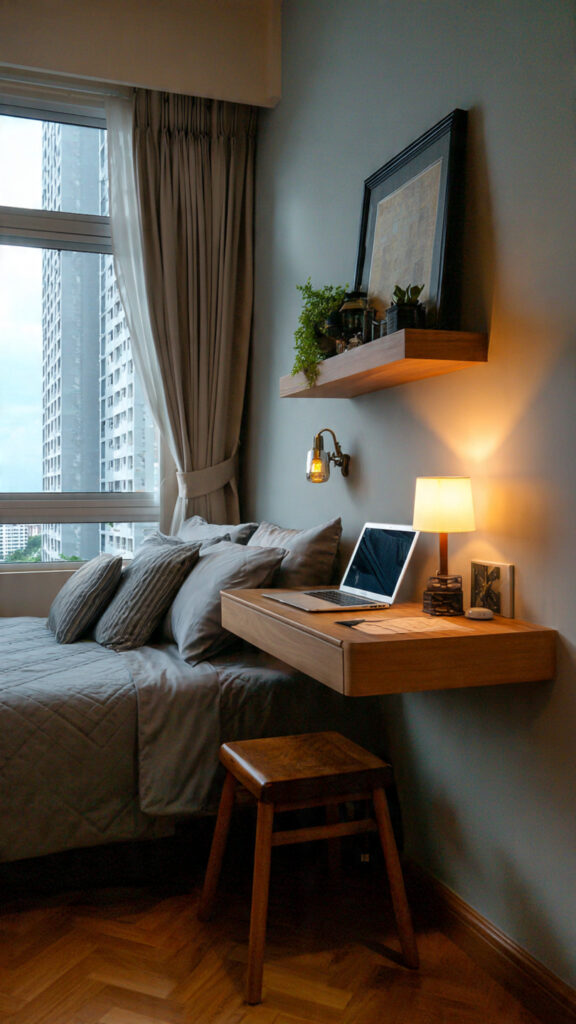
For small rooms that need a workspace, look for a narrow wall-mounted desk or a slim writing desk that can sit right beside the bed and function as a nightstand too. A lamp, a small drawer, and a surface for your laptop — it does the job of two pieces of furniture in the footprint of one.
16. Use Light-Colored or Glass Furniture
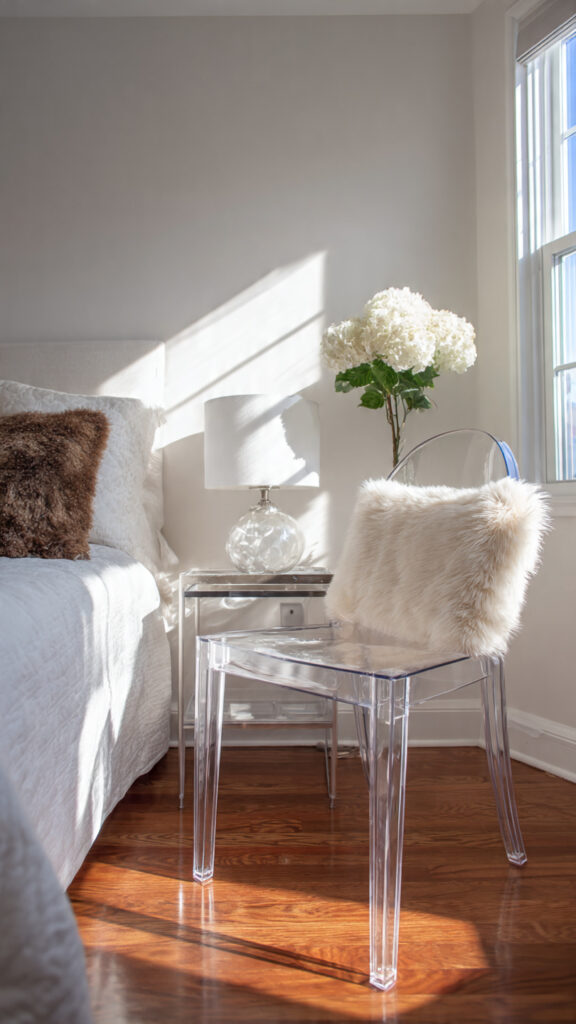
Transparent or glass furniture — like a lucite chair or a glass bedside table — is visually weightless. Your eye passes right through it, so it doesn’t register as taking up space the same way a solid wood or dark piece would. It’s one of the cleverest tricks interior designers use in compact spaces.
17. Maximize Natural Light with Sheer Window Treatments
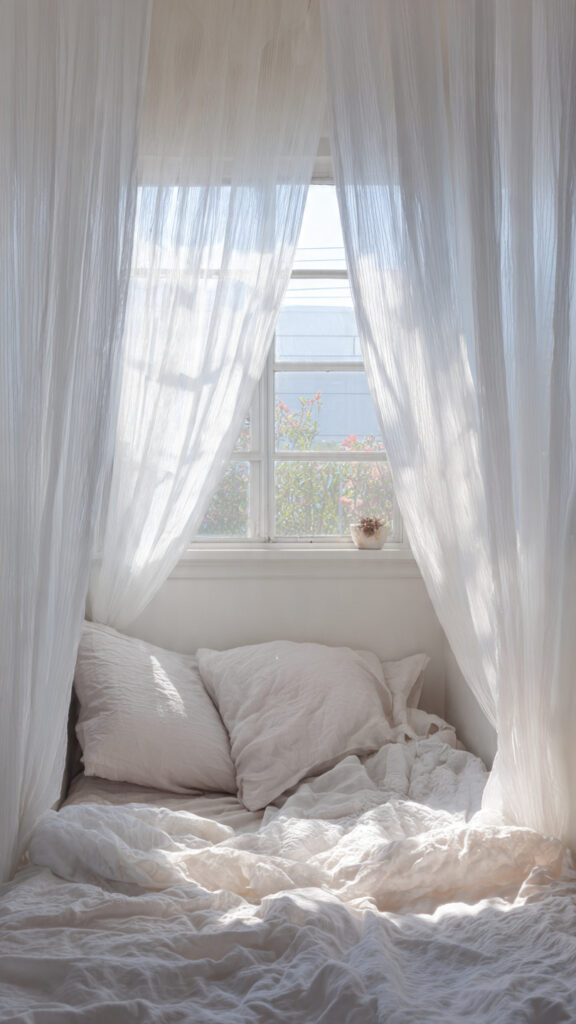
Heavy drapes block light and visually close in a small room. Swap them for sheer, light-filtering curtains that let in as much natural light as possible while still giving you privacy. Natural light is your single best tool for making a small space feel larger — work with it, not against it.
18. Create a Feature Wall Instead of Decorating Every Wall
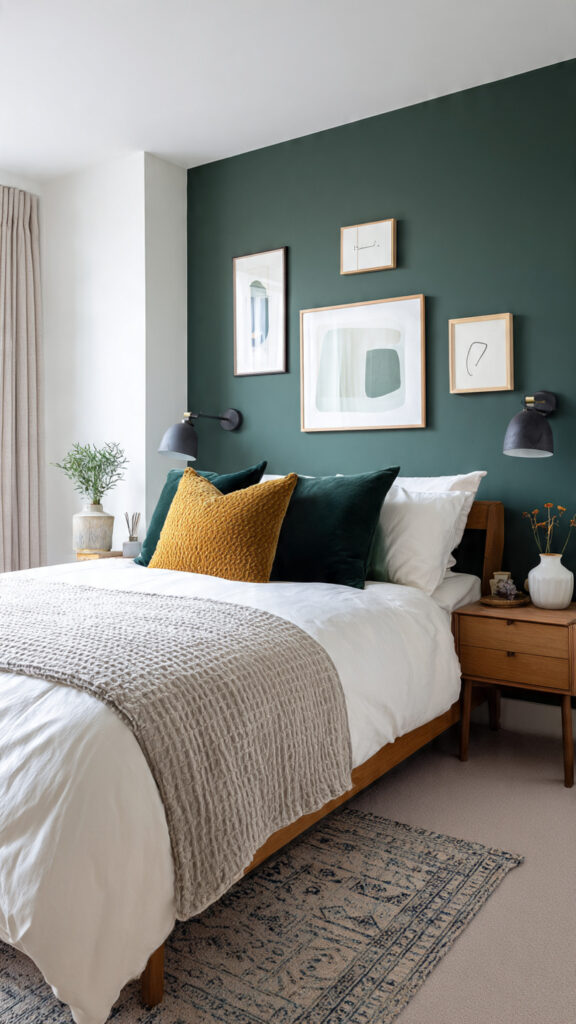
In a small room, decorating all four walls creates visual noise that makes the space feel busier and smaller. Instead, pick one wall — typically the one behind the headboard — and make it a deliberate feature with wallpaper, a bold paint color, or a gallery arrangement. Keep the remaining three walls clean and simple.
19. Hang Your Lighting Instead of Using Table Lamps
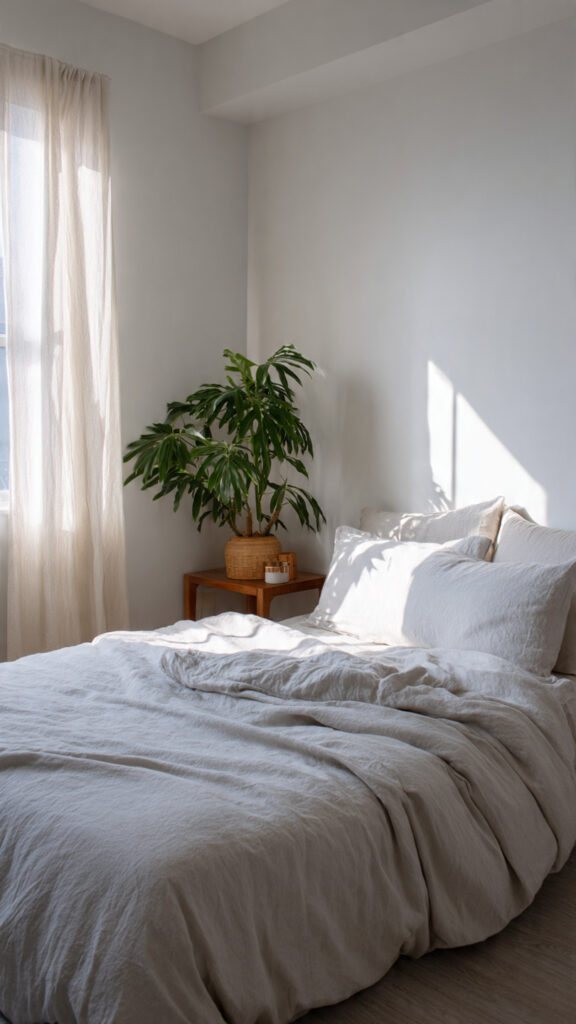
Table lamps take up precious nightstand and surface space. Replace them with pendant lights or wall sconces that hang from the ceiling or mount directly on the wall beside the bed. It frees up the surface entirely and adds a more designed, intentional look to the room.
20. Opt for Built-In Storage Around the Bed
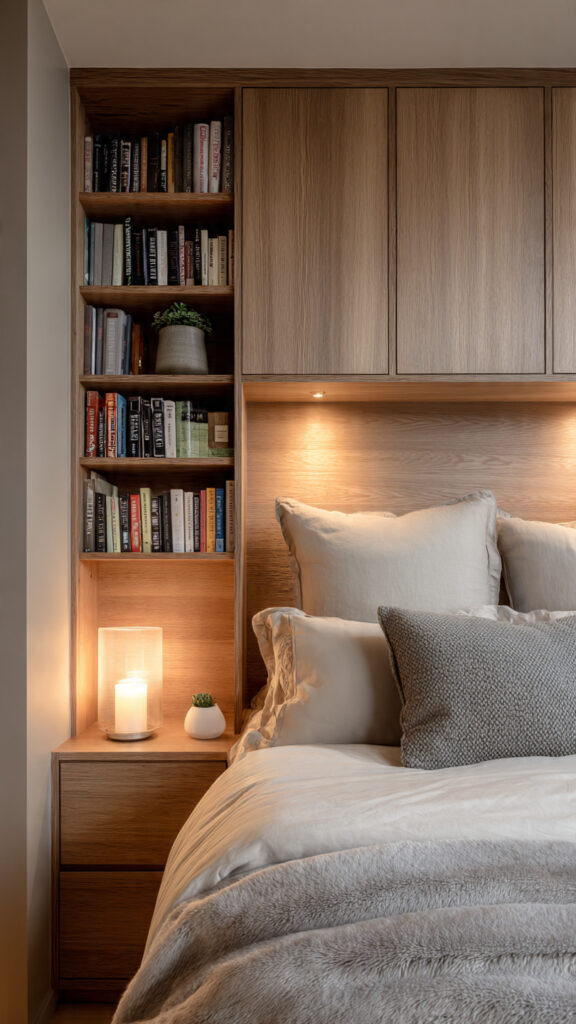
Taking it one step further than a storage bed, consider building out a full storage headboard wall — shelving units and cabinets that wrap around the entire head of the bed. It looks like a custom built-in, creates a cocooning effect, and offers more storage than any dresser or wardrobe ever could.
21. Use the Back of the Door
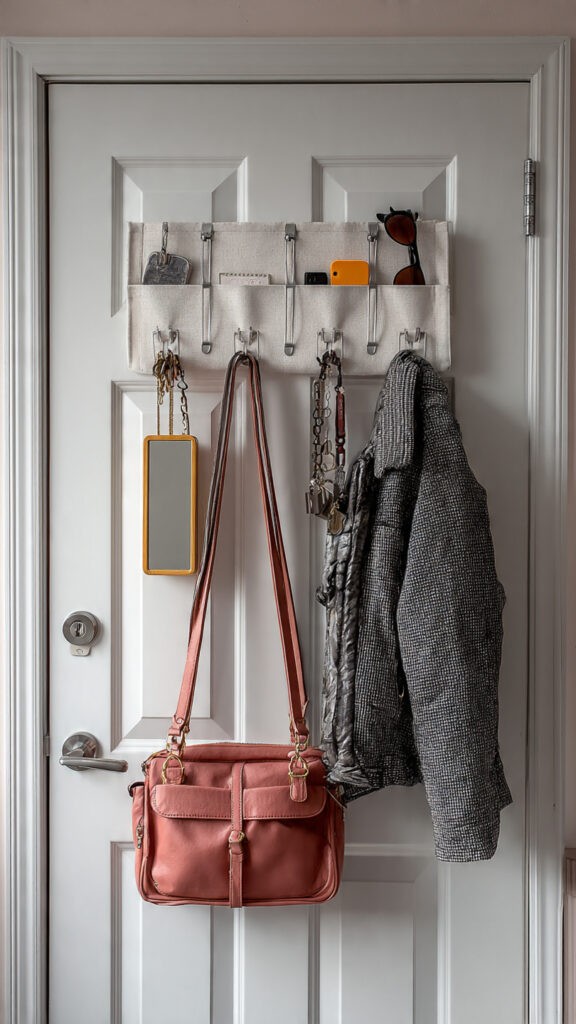
The back of your bedroom door is almost always wasted space. Hang an over-door organizer for accessories, a full-length mirror, hooks for tomorrow’s outfit, or even a small shoe rack. In a small room, every surface — including vertical ones you forget about — is a storage opportunity.
22. Keep Your Color Scheme Monochromatic
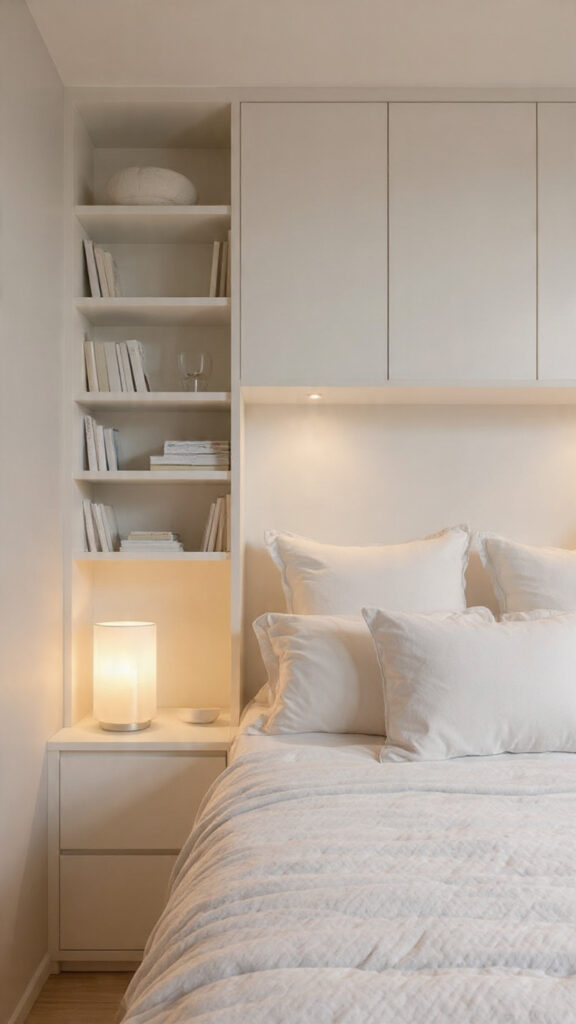
A monochromatic room where the walls, bedding, furniture, and decor all live within the same color family creates a seamless, uninterrupted visual flow that tricks the eye into seeing more space. There are no jarring contrasts to stop the gaze, so the room reads as one continuous, expansive environment.
Final Thoughts
A small bedroom is only a limitation if you treat it like one. With the right furniture choices, smart storage strategies, and a few well-placed design tricks, a compact space can feel just as comfortable, stylish, and restful as a room twice its size.
Start with the changes that address your biggest pain points, whether that’s storage, light, or layout, and build from there. Small rooms reward thoughtful design more than any other space in the home.